Disaster Relief in Canada: How Northern RAID Supports Remote and Indigenous Communities in Crisis
When wildfires swept across Manitoba and Saskatchewan in May 2025, tens of thousands of Canadians evacuated overnight. Manitoba declared a state of emergency. Saskatchewan followed the next day.
For Canadians in cities, this meant a difficult few weeks. For people in remote and Indigenous communities across northern Canada, it meant something far more dangerous — no road connections, no nearby shelters, no local emergency infrastructure, and disaster relief that arrived days too late.
Canada recorded its second-worst wildfire season on record in 2025. More than 7.6 million hectares burned — over double the 10-year average of 3.6 million hectares (Environment and Climate Change Canada, 2025). The Canadians hit hardest were those living furthest from emergency relief systems built for urban centres.
Northern RAID (Relief & Aid in Disasters) is I Help Canadians' emergency relief program built specifically for remote and northern communities across Canada.
WHY DISASTER RELIEF REACHES NORTHERN CANADA LAST
Disaster relief in Canada is structurally faster in cities. Emergency responders, shelters, medical care, and recovery resources are concentrated where most of the population lives.
Remote and Indigenous communities in northern Canada operate in a different reality entirely. Most face:
- No year-round road access — many communities rely on seasonal ice roads or air transport, both of which disasters can sever instantly
- Limited local emergency infrastructure — fire departments, emergency shelters, and medical facilities are either sparse or absent
- Fractured supply chains — one disrupted route can cut an entire community off from food, fuel, and emergency supplies
- Higher poverty rates — households have fewer financial resources to prepare for or recover from disasters
Indigenous communities bear a disproportionate share of disaster risk in Canada. According to Public Safety Canada, legacies of colonialism, forced displacement, and remote coastal locations leave Indigenous communities far more exposed to disaster displacement than the national average. At the same time, they have access to fewer emergency management resources.
Climate change sharpens this inequality. Wildfires, floods, extreme heat, and severe winter storms are increasing in frequency and scale across northern Canada — and the communities most in their path have the least protection.
WHAT DISASTER RELIEF IN REMOTE CANADA ACTUALLY LOOKS LIKE
When a disaster strikes a remote community in northern Canada, the emergency relief timeline looks nothing like what most Canadians experience.
In a city:
- Emergency responders arrive within minutes
- Evacuation routes are pre-established and maintained
- Temporary shelters open nearby
- Recovery programs activate within 24-48 hours
In a remote or Indigenous community:
1. Disaster strikes with little advance warning
2. Communications infrastructure fails or is overwhelmed
3. Road or air access is cut off
4. Days pass before outside emergency relief arrives
5. Families are separated during evacuation — sent to cities hundreds of kilometres apart
6. Recovery support takes weeks or months to filter through
During the 2025 Manitoba wildfires, researchers documented how evacuations of northern Indigenous communities repeatedly split families apart, with members routed to different cities based on available shelter capacity. The psychological damage of that separation compounds the original trauma of losing homes, land, and community — and it is largely preventable with better-coordinated disaster relief.
THE GAPS CANADA'S EMERGENCY RELIEF SYSTEMS LEAVE OPEN
Canada has national and provincial emergency management frameworks. Those frameworks have documented shortcomings when it comes to northern Canada and Indigenous communities.
Public Safety Canada acknowledges that Indigenous communities face unique barriers to emergency relief — including limited local emergency management capacity, underfunding, and governance structures that slow response times compared to municipal systems.
Disaster relief organizations that operate independently of government bureaucracy — and maintain active networks in northern Canada — fill a critical role in the hours and days immediately following a disaster, before formal emergency systems fully engage.
HOW NORTHERN RAID DELIVERS EMERGENCY RELIEF
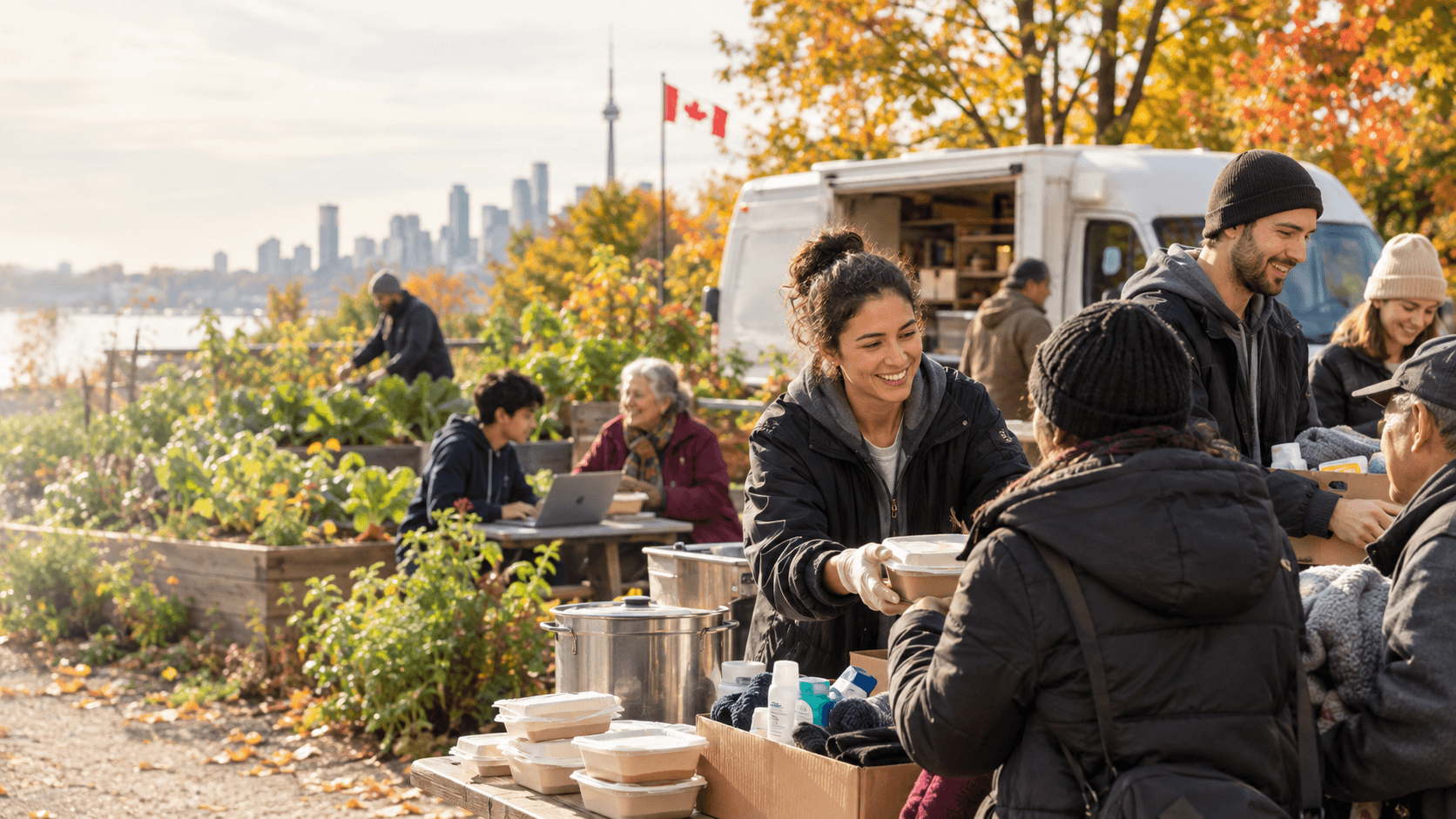
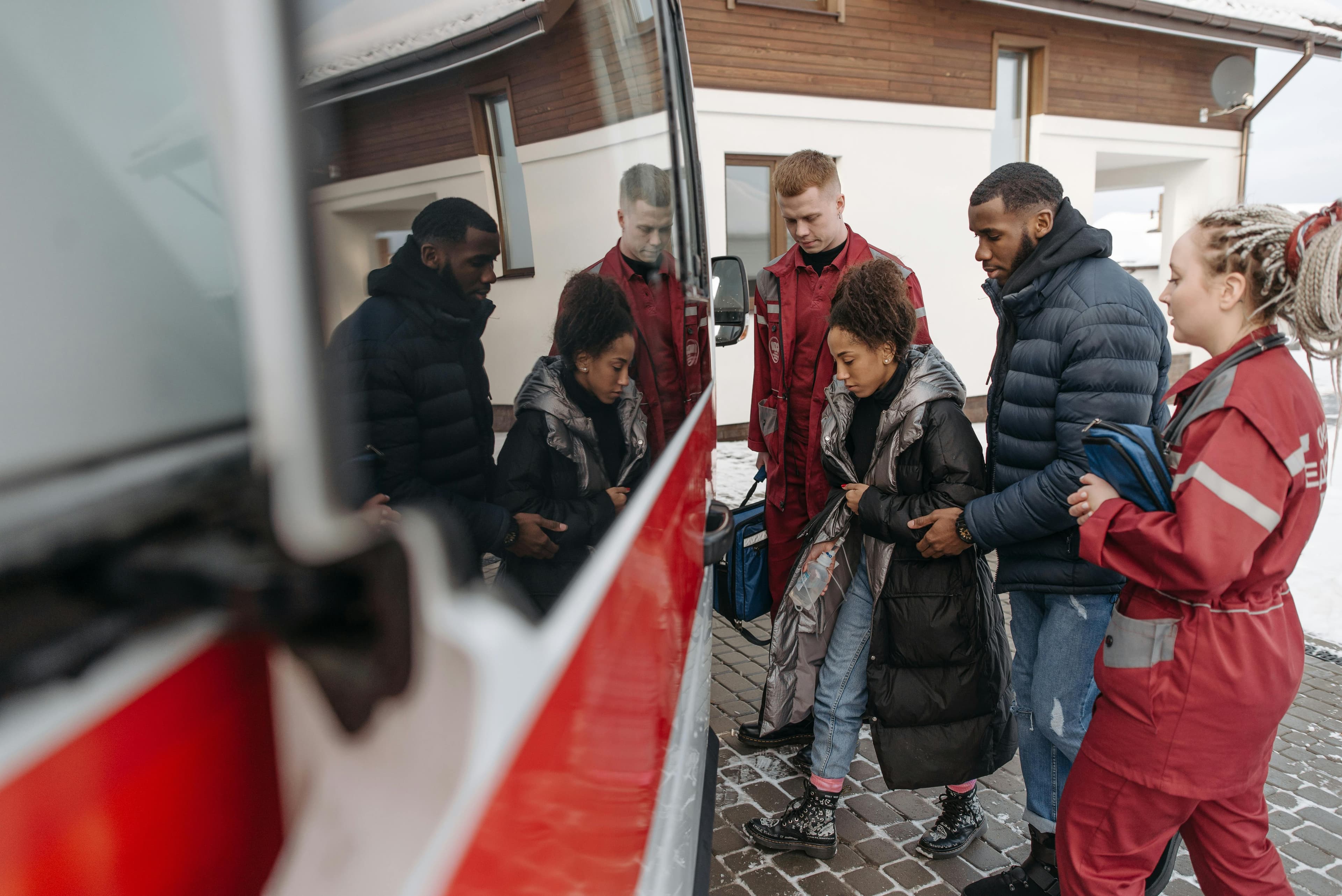
Northern RAID coordinates rapid disaster relief through trained volunteers and trusted local partners across northern Canada. When an emergency strikes, the program mobilizes to deliver:
Immediate relief supplies — Food, water, shelter materials, and hygiene essentials move through organized logistics networks to communities, even where road access is compromised or closed.
Coordinated distribution — Disaster relief operations follow safety-focused distribution methods that keep support organized, accountable, and accessible. Elders, children, and people with medical needs receive priority attention.
Practical recovery support — Emergency relief does not stop when the immediate crisis stabilizes. Northern RAID continues working with communities through the recovery phase — helping people access services, stabilize housing, and begin rebuilding.
Dignity-first response — In a disaster, how people are treated is as important as what they receive. Northern RAID trains volunteers to lead with human connection, not just logistics.
Because Northern RAID operates within I Help Canadians' eight-program network, disaster relief connects seamlessly to other support. Someone displaced by a wildfire can access Northern CARE wellness kits, Northern FOOD meal support, and Northern MIND mental health connection through the same coordinated response.
EMERGENCY RELIEF WITH DIGNITY
Statistics tell the scale of the problem. They do not capture what it feels like to lose your home, your community, and your sense of safety within hours.
Northern RAID operates on a clear principle: people in crisis remember how they were treated during the worst moments of their lives.
Emergency relief that ignores dignity — that prioritizes logistics over the human being receiving support — compounds trauma rather than relieving it. Northern RAID's volunteers and partners are trained to show up not just with supplies, but with calm, respectful presence.
Disaster recovery is not only physical. Communities rebuilding after wildfires or floods face ongoing grief, displacement, and the slow psychological toll of disruption. Effective emergency relief addresses the full picture — immediate crisis, short-term stabilization, and the long road of recovery.
HOW TO SUPPORT DISASTER RELIEF IN NORTHERN CANADA
Remote and Indigenous communities across northern Canada face a growing gap between disaster exposure and available emergency relief. Northern RAID works to close that gap — but sustained donor support is what keeps the program ready to respond when emergencies strike.
Here is how you can help:
Donate to Northern RAID — your contribution directly funds emergency supplies, volunteer coordination, and disaster relief operations in northern Canada. Donate at ihelpcanadians.org
Become a monthly donor — predictable monthly giving lets Northern RAID pre-position supplies and respond faster when disasters hit, without waiting for emergency fundraising campaigns.
Volunteer — skills in logistics, healthcare, communications, or community outreach extend what Northern RAID can deliver on the ground across northern Canada.
Share this post — most Canadians are unaware of the emergency relief gap facing remote and Indigenous communities. Awareness drives action.
Disaster relief in Canada's North cannot wait. Neither does Northern RAID.Support emergency relief in northern Canada — donate to I Help Canadians at ihelpcanadians.org